
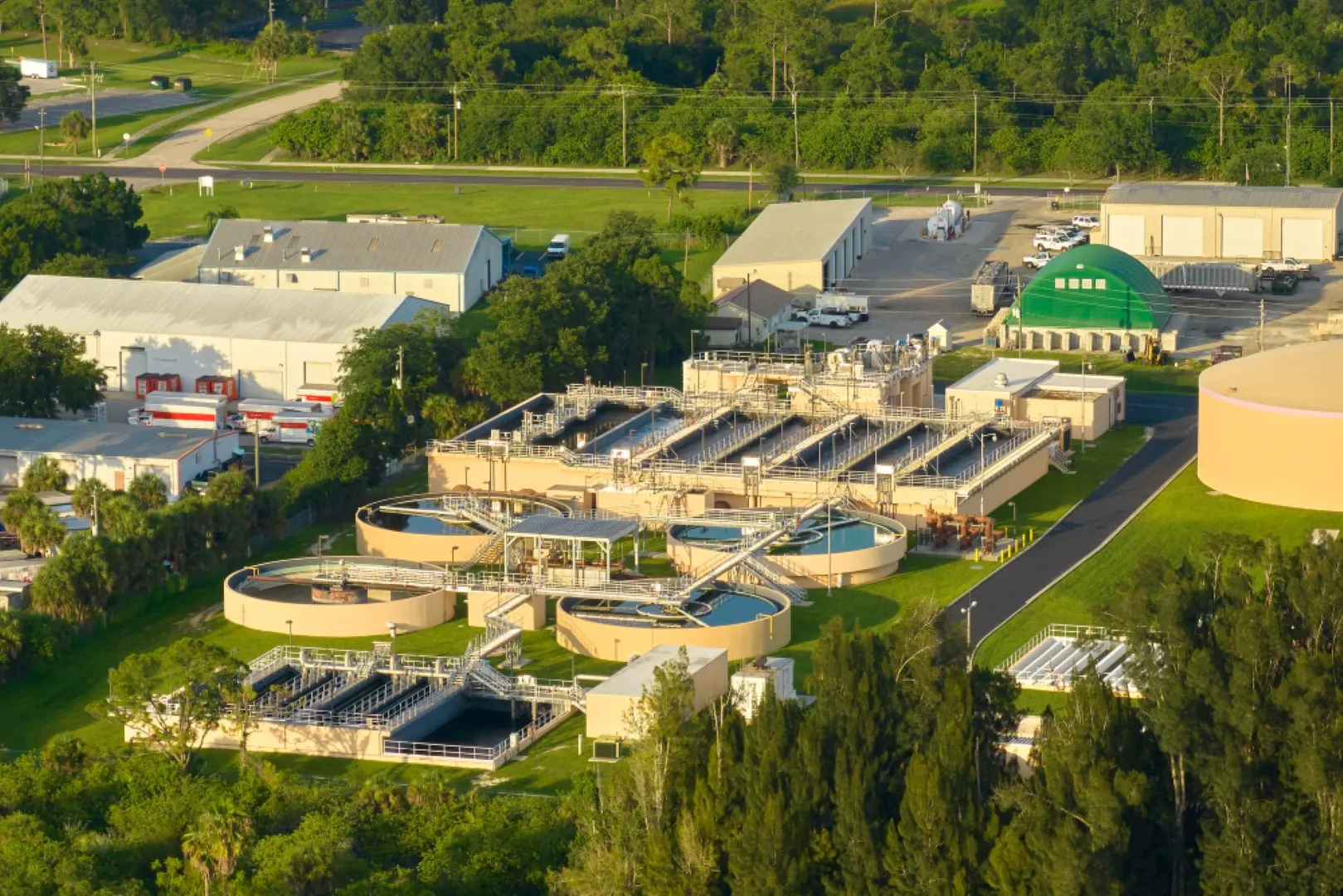
Water is one of our most valuable resources, and in today's world, the demand for clean water is higher than ever. With the rapid growth of urban populations and industrial activities, managing wastewater effectively is not just an environmental necessity—it's a global priority. This is where Sewage Treatment Plants (STP Plants) play a crucial role. These facilities treat domestic and municipal wastewater, removing harmful contaminants before the water is safely reused or discharged back into the environment.
At Neer Tech, we specialize in providing advanced STP Plant services that support sustainable water management. Our solutions are designed to promote water reuse, protect natural water bodies, and contribute to healthier communities. we'll explore the importance of STP Plants, how they work, our environmental benefits, and why choosing Neer Tech for your wastewater treatment needs is a smart investment in the future.
Understanding What STP Plants Are
An STP Plant, or Sewage Treatment Plant, is a facility used to treat wastewater generated from households, commercial buildings, institutions, and municipal sources. The main objective of an STP is to remove contaminants, organic matter, and pathogens from sewage, making the treated water safe for reuse or discharge into water bodies like rivers or lakes.
Every step is meticulously engineered to purify the water, reduce odor, and minimize environmental impact. STP Plants are essential in preventing the direct discharge of untreated sewage, which can lead to water pollution, disease outbreaks, and damage to aquatic ecosystems.
Why STP Plants Are a Necessity in Urban Infrastructure
With cities expanding rapidly, the volume of sewage produced is immense. This effluent can harm both people and wildlife if it contaminates freshwater sources without being properly treated. STP Plants are a vital part of urban infrastructure, especially in densely populated areas where the pressure on water resources is high.
In India and many other countries, the central and state pollution control boards mandate the installation of STP Plants in large residential complexes, industrial zones, and commercial establishments. These regulations are designed to prevent untreated sewage from entering rivers, lakes, and other natural water bodies. By adopting reliable STP Plant systems like those offered by Neer Tech, communities can reduce their ecological footprint and contribute to long-term water sustainability.
The Working Principle of Modern STP Plants
Modern STP Plants follow a systematic process that includes:
- Preliminary Treatment
This entails employing screening equipment to remove big debris, grit, and suspended materials. It gets the sewage ready for the following phase of treatment.
- Primary Treatment
During this phase, the wastewater is allowed to settle in sedimentation tanks. The solid waste sinks to the bottom, and oils or greases float to the top and are skimmed off.
- Secondary or Biological Treatment
Here, the wastewater is treated using biological processes where microorganisms break down organic matter. Techniques such as Activated Sludge Process (ASP), Moving Bed Biofilm Reactor (MBBR), or Sequential Batch Reactor (SBR) are commonly used.
- Tertiary Treatment
The final polishing stage involves filtration, UV treatment, or chlorination to remove any remaining contaminants. Now that the water has been treated, it can be released or used again.
With smart automation, energy-efficient motors, and IoT integration, STP Plants from Neer Tech are capable of managing high volumes of wastewater with precision and cost-effectiveness.
Environmental and Economic Benefits of STP Plants
Investing in a robust STP Plant offers a host of environmental and economic benefits. Let's break down why these systems are indispensable for modern society:
Water Conservation
Treated sewage water can be reused for gardening, toilet flushing, industrial processes, and even construction activities. This reduces dependence on freshwater sources and promotes water recycling.
Cost Savings
While the initial investment in a high-quality STP Plant might seem significant, the long-term savings through water reuse and reduced water bills are substantial. Moreover, efficient systems require minimal maintenance and energy consumption.
STP Plants in Residential and Commercial Settings
The application of STP Plants is not limited to large cities alone. From small housing societies to massive industrial parks, these plants can be customized for various capacities and space constraints. Neer Tech designs flexible systems that can be installed in basements, rooftops, or dedicated utility spaces without affecting the aesthetic or usability of the premises.
In residential settings, STP Plants help recycle greywater and blackwater for non-potable uses. This not only cuts down water bills but also promotes responsible urban living. For commercial establishments like malls, hotels, hospitals, and corporate campuses, STP Plants are vital for achieving sustainability targets and meeting environmental certifications such as LEED or IGBC.
Role of STP Plants in Sustainable Development Goals (SDGs)
The United Nations has laid out 17 Sustainable Development Goals (SDGs), of which clean water and sanitation (Goal 6) is a key pillar. STP Plants directly contribute to achieving this goal by encouraging everyone to have access to reasonably priced, safe wastewater treatment.
- Protecting water-related ecosystems like rivers and wetlands
- Increasing water-use efficiency across all sectors
By adopting advanced STP Plant technologies, organizations can showcase their commitment to sustainability and corporate responsibility.
Future of STP Plants: Innovation and Integration
The future of STP Plants lies in smart integration with digital technologies. At Neer Tech, we embrace innovation to improve performance and simplify operations. Our systems come with remote monitoring features, real-time analytics, and automated control panels that allow operators to manage the entire process from a smartphone or tablet.
Some of the key advancements include:
- Modular STP Plant designs for faster installation and scalability
- Low-footprint systems suitable for space-limited locations
- Energy-efficient motors and pumps to reduce power consumption
- Sludge drying and odor control systems for better hygiene
Intelligent wastewater treatment technologies are more important than ever as urbanization and climate change continue to transform our planet.
Why Choose Us – Neer Tech
Neer Tech stands at the forefront of wastewater treatment solutions with a commitment to innovation, quality, and customer satisfaction. Our STP Plants are crafted using cutting-edge engineering and backed by years of expertise. We take pride in designing systems that meet strict regulatory standards while promoting eco-friendly practices. With a strong focus on long-term value, low operational costs, and easy maintenance, we are the trusted partner for hundreds of residential complexes, industries, and institutions across India. When you work with Neer Tech, you get more than just equipment—you gain a dedicated team that supports you throughout the lifecycle of your wastewater treatment project.
Conclusion
STP Plants are not just industrial installations—We are lifelines that support clean, healthy, and sustainable living. As the world grapples with increasing water scarcity and environmental concerns, adopting modern STP Plant solutions becomes a necessity. From reducing pollution and conserving water to meeting compliance norms and achieving sustainability goals, these systems are vital at every level. Neer Tech is proud to lead the way with technologically advanced, efficient, and eco-friendly STP Plants that empower communities and businesses alike. Invest in a cleaner tomorrow with Neer Tech.
For more information on why STP Plants are essential for sustainable wastewater management, call us at +91 7984377525 or email us at [email protected]—your water-saving journey starts here!