
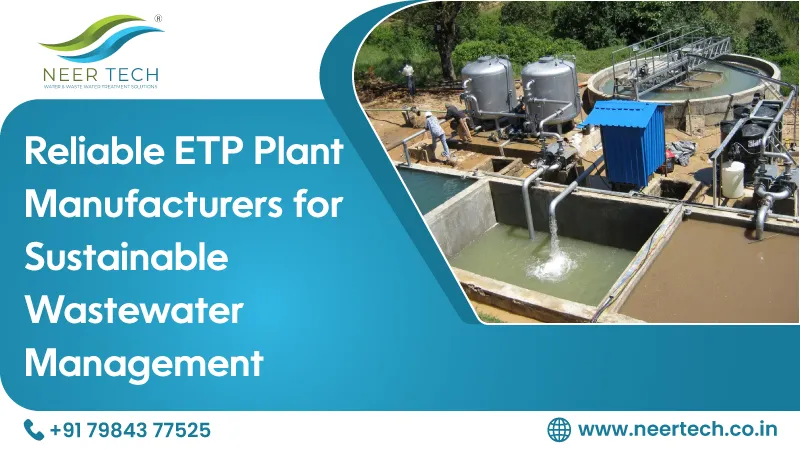
Industrial growth brings opportunity, but it also brings responsibility. Every factory, processing unit, and manufacturing plant generates wastewater that needs careful handling. Untreated discharge harms water bodies, soil, and public health. That’s why industries now look for reliable ETP plant manufacturers who understand compliance, sustainability, and long-term performance. This blog explains how a modern effluent treatment system works, why the right manufacturer matters, and how sustainable wastewater management supports both business growth and environmental balance.
Why Effluent Treatment Matters More Than Ever
Industrial wastewater contains chemicals, oils, heavy metals, and organic load. Discharging it without treatment leads to serious environmental damage and legal trouble. A well-designed effluent treatment plant removes harmful contaminants before water reaches natural systems or reuse points. Today, treatment is not just about compliance. It’s about protecting resources and building trust with regulators and communities.
Understanding the Purpose of an Effluent Treatment Plant
An effluent treatment plant treats wastewater generated from industrial processes. The system separates solids, reduces pollutants, and balances chemical composition. Treatment stages depend on the nature of effluent and industry type. Textile, chemical, pharmaceutical, food, and engineering industries all require different treatment approaches. A reliable manufacturer studies these variations before designing the system.
Growing Demand for Sustainable Wastewater Solutions
Water scarcity and strict regulations have changed how industries view wastewater. Treated water reuse has become a priority. Sustainable effluent treatment supports reuse in cooling, washing, and utility processes. This reduces freshwater consumption and operational cost. Industries searching for dependable solutions now focus on efficiency, stability, and regulatory alignment.
What Makes a Modern ETP System Effective
Modern systems focus on consistent output quality and controlled operation. Automation, energy-efficient equipment, and compact layouts play a key role. A well-planned ETP effluent treatment plant manages fluctuating loads without disrupting treatment performance. This stability protects downstream processes and supports smooth plant operation.
Importance of Choosing the Right ETP Plant Manufacturer
The manufacturer defines system reliability. Poor design leads to frequent breakdowns, high operating costs, and compliance issues. Experienced ETP plant manufacturers offer process clarity and realistic capacity planning. They design systems that match effluent characteristics, not assumptions. This method ensures consistent long-term performance and reliable outcomes.
Role of Process Design in Effluent Treatment
Process design decides treatment success. Equalization, chemical treatment, biological treatment, and filtration must work together. A professional ETP treatment plant balances these stages to handle variable flow and pollutant load. Proper sequencing improves efficiency and reduces chemical overuse. This also stabilizes treated water quality.
Industrial Compliance and Regulatory Expectations
Pollution control boards define discharge norms for industries. Parameters like BOD, COD, TSS, oil, and pH must stay within limits. A reliable effluent treatment plant supports compliance through controlled treatment and monitoring. Manufacturers who understand regulatory requirements help clients avoid penalties and operational disruptions.
Sector-Specific ETP Applications
Different industries generate different effluents. Textile units handle dye and colour removal. Chemical industries deal with high COD and toxic compounds. Food processing units manage organic load. A capable manufacturer customizes effluent treatment solutions based on sector needs. This customization improves efficiency and reduces unnecessary cost.
Energy Efficiency and Cost Control in ETP Plants
Operating cost matters in industrial setups. Power consumption, chemical usage, and sludge handling define long-term expenses. Modern ETP effluent treatment plant designs focus on optimized aeration and dosing systems. Energy-efficient equipment lowers monthly costs without compromising treatment quality. This balance matters for sustainable operations.
Sludge Handling and Disposal Planning
Sludge generation is part of treatment. Poor sludge management increases disposal cost and operational hassle. A well-designed ETP treatment plant includes sludge thickening and dewatering options. Reduced sludge volume simplifies handling and supports cleaner plant operation. This planning also improves site hygiene.
Automation and Monitoring for Better Control
Automation improves consistency. Sensors monitor flow, pH, and dissolved oxygen. Control panels adjust operations based on load changes. This reduces manual intervention and error. Modern effluent treatment plant systems use automation to maintain stable output quality even during load fluctuations.
Importance of Local Service and Support
Post-installation support matters as much as design. Industries prefer manufacturers who offer nearby service support. Effluent Treatment Plant Service in Ahmedabad plays a vital role for local industries needing fast response and regular maintenance guidance. Local expertise also helps during audits and compliance checks.
Material Quality and Construction Standards
Construction quality affects plant lifespan. Tanks, pipelines, and equipment must withstand chemical exposure and continuous operation. Reliable manufacturers use tested materials and follow strict quality checks. This approach protects the effluent treatment plant from leakage, corrosion, and structural damage.
Integration With Water Reuse Systems
Treated effluent often supports reuse. Cooling towers, gardening, and washing applications benefit from treated water. A modern effluent treatment system integrates filtration and disinfection to support reuse. This reduces freshwater demand and improves sustainability metrics.
Why Experience Matters in ETP Manufacturing
Experience brings clarity. Manufacturers with multiple installations understand real site challenges. They anticipate operational issues and design solutions accordingly. This experience improves commissioning speed and treatment stability. Industries benefit from smoother handover and reliable performance.
Neer Tech’s Approach to ETP Solutions
Neer Tech focuses on practical engineering and compliance driven design. Neer Tech studies effluent characteristics before proposing systems. Neer Tech designs each ETP effluent treatment plant to match industry load and regulatory needs. Neer Tech also supports clients with effluent treatment plant services during installation and operation. This approach helps industries manage wastewater responsibly without operational stress.
Why Choose Us
Neer Tech brings clarity, experience, and technical depth to every project. Neer Tech focuses on stable treatment performance and realistic operating cost. Neer Tech designs each ETP treatment plant based on actual site data and industry needs. Neer Tech supports clients beyond installation with guidance and service. This long-term approach helps industries meet compliance goals while building sustainable wastewater management systems.
Conclusion
Sustainable wastewater management starts with the right treatment system. A reliable effluent treatment plant protects the environment and supports regulatory compliance. Choosing experienced ETP plant manufacturers reduces risk and improves long-term performance. With modern design, automation, and efficient operation, industries can treat wastewater responsibly and reuse valuable resources. Investing in the right solution today supports business continuity, cost control, and environmental responsibility for the future.
Key Takeaways
- Effluent treatment supports compliance and sustainability.
- Modern ETP systems balance efficiency and operating cost.
- Process design decides long-term performance.
- Local service improves reliability and response time.
- Choosing the right manufacturer protects investment.
Looking for reliable ETP solutions for your industry? Contact Neer Tech today. Call +917984377525 or email [email protected] to discuss sustainable effluent treatment systems.